…
Articles
Educational texts on obstetrics, gynaecology and women's health.
Obstetrics
- Monitoring the pregnancy
The complete guide to pregnancy care: from diagnosis and the first laboratory tests, high-risk pregnancy, trimester-by-trimester prenatal screening and cardiotocography, to antenatal classes and your nutrition in pregnancy.
- Thyroid disorders and pregnancy
How the thyroid works and is tested; goitre, hypothyroidism, hyperthyroidism and Graves' disease; the risks they pose to you and the fetus; their management in pregnancy; and postpartum thyroiditis.
- Cystic fibrosis
The most common hereditary disease in Caucasians: how it is inherited, the symptoms it causes, how it is diagnosed and treated, and why prenatal screening for it matters to you.
- What is epidural anaesthesia
How epidural anaesthesia is performed, its side effects, its benefits in labour and caesarean section, and what you must watch for if you are on anticoagulant treatment.
- Nutrition and pregnancy
How much weight gain is acceptable according to your body mass index, which nutrients you need and from which foods, what applies to alcohol, smoking and caffeine, practical advice for morning sickness and constipation, and the role of dietary support in pregnancy.
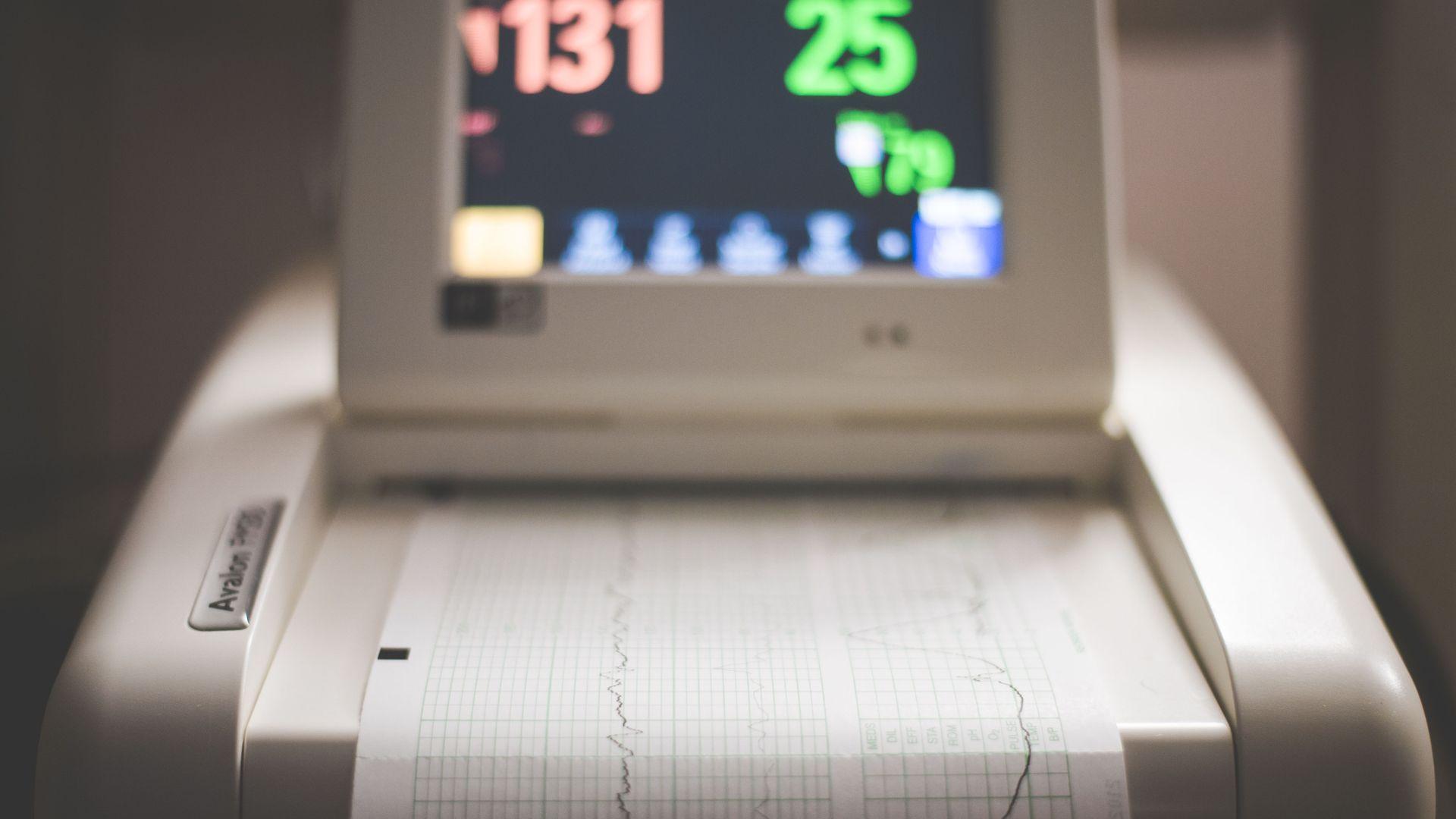
- Cardiotocography
What cardiotocography (NST) is, how the 30-minute test is performed in the third trimester, and the indications for having it.
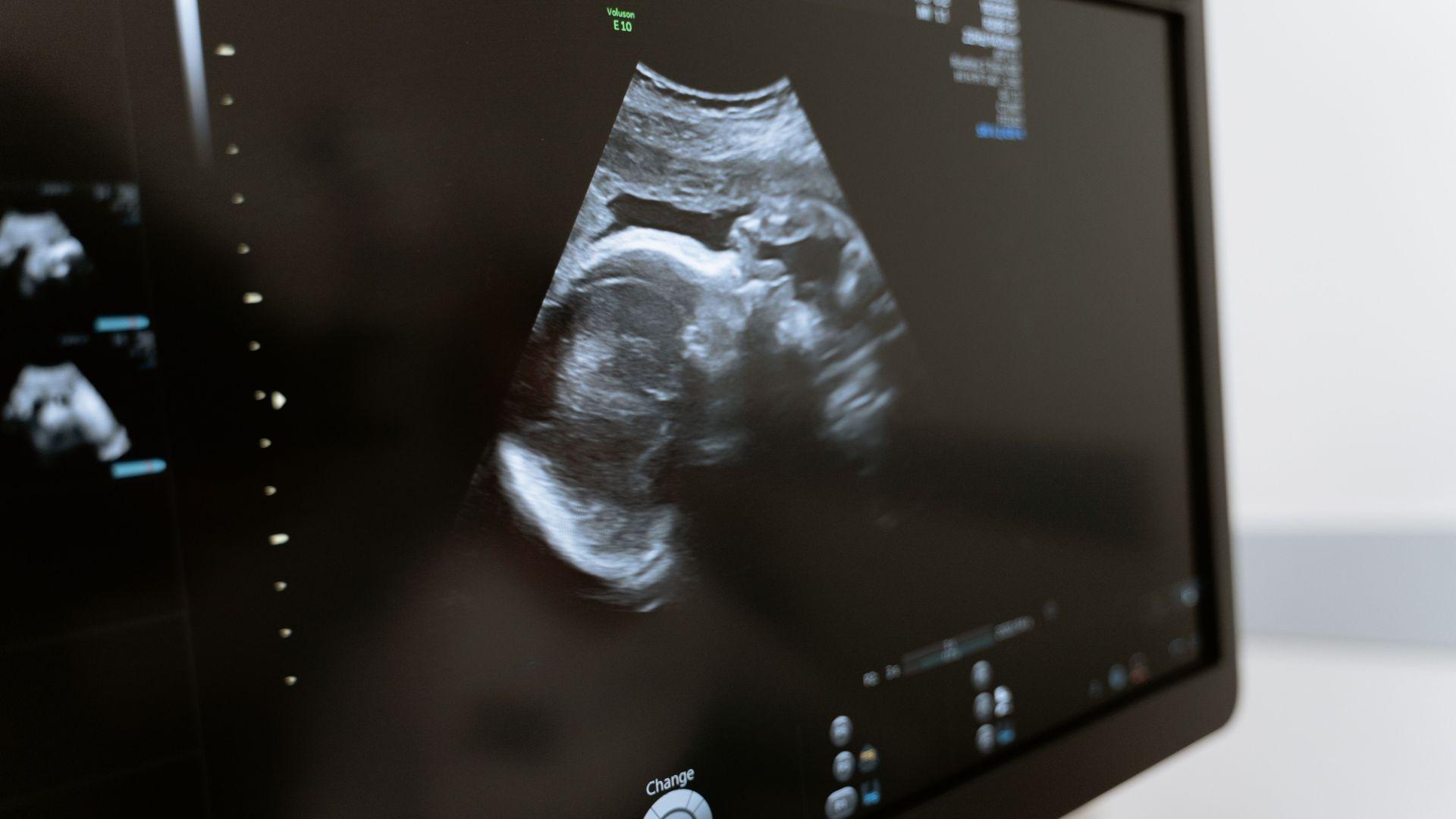
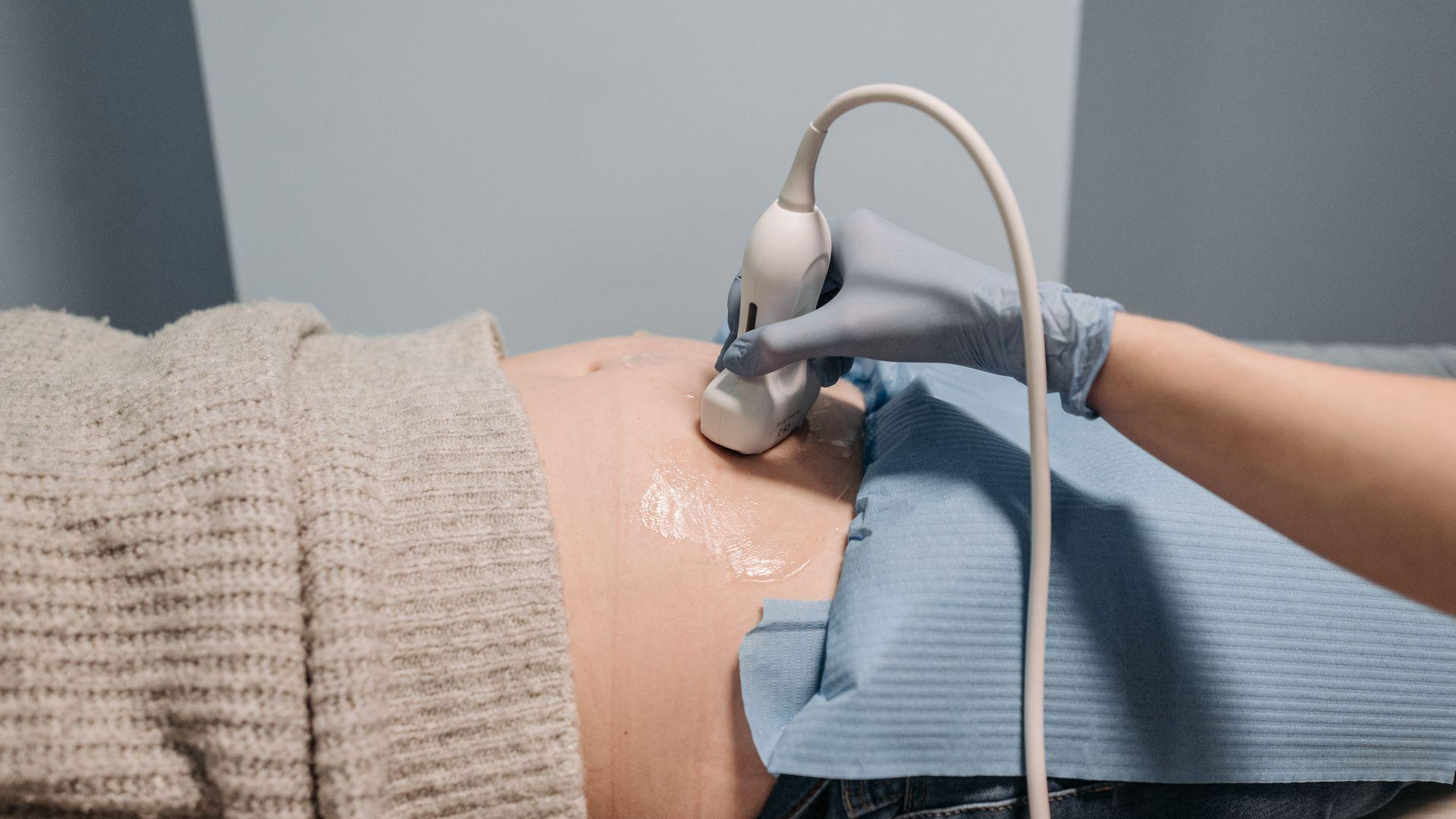
- Detailed second-trimester scan, level II (weeks 20–24)
The detailed level-II anomaly scan at weeks 20–24 with fetal heart assessment and uterine artery Doppler, and cervical length measurement for predicting preterm birth.
- First-trimester ultrasound (weeks 6–14)
What the first-trimester scan checks: location and number of embryos, heartbeat, the nuchal translucency scan at weeks 11–14 with PAPP-A and free beta-hCG, and uterine artery Doppler.
- Pregnancy and nutrition
How much weight gain is acceptable according to your body mass index, which nutrients you need and from which foods, what applies to alcohol, smoking and caffeine, and practical advice for morning sickness and constipation.
- Thrombophilia and pregnancy
Why pregnancy increases blood coagulability, the most common causes of thrombophilia, and the complications it can cause for mother and fetus if not diagnosed in time.





Gynaecology
- Menstrual irregularities
What we mean by "menstrual irregularities", when one or two episodes a year are normal and need no investigation, and the possible causes, from stress to gynaecological conditions.
- Breast cancer: facing a modern scourge
The most common malignancy in women of the developed world — risk factors and the value of prevention.
- Menopause and cardiovascular disease
How the fall in oestrogen at menopause affects the lipid profile and cardiovascular risk — and the role of diet.
- Frequently asked questions from young women to their gynaecologist
When gynaecological check-ups should begin, what they include, what the Pap test checks and what cervicitis means: answers to the questions we are asked most often in the practice.
- Polycystic ovary syndrome (PCOS)
Why the term "polycystic" is misleading, the symptoms the syndrome causes in young women, how it is correctly diagnosed without over-diagnosis, and the treatment options.
- Girls in the sun
Fungal and bacterial vaginitis, cervicitis, HPV, hepatitis and sun exposure: the summer risks to your reproductive system and why a gynaecological check-up at the end of the season is worthwhile.
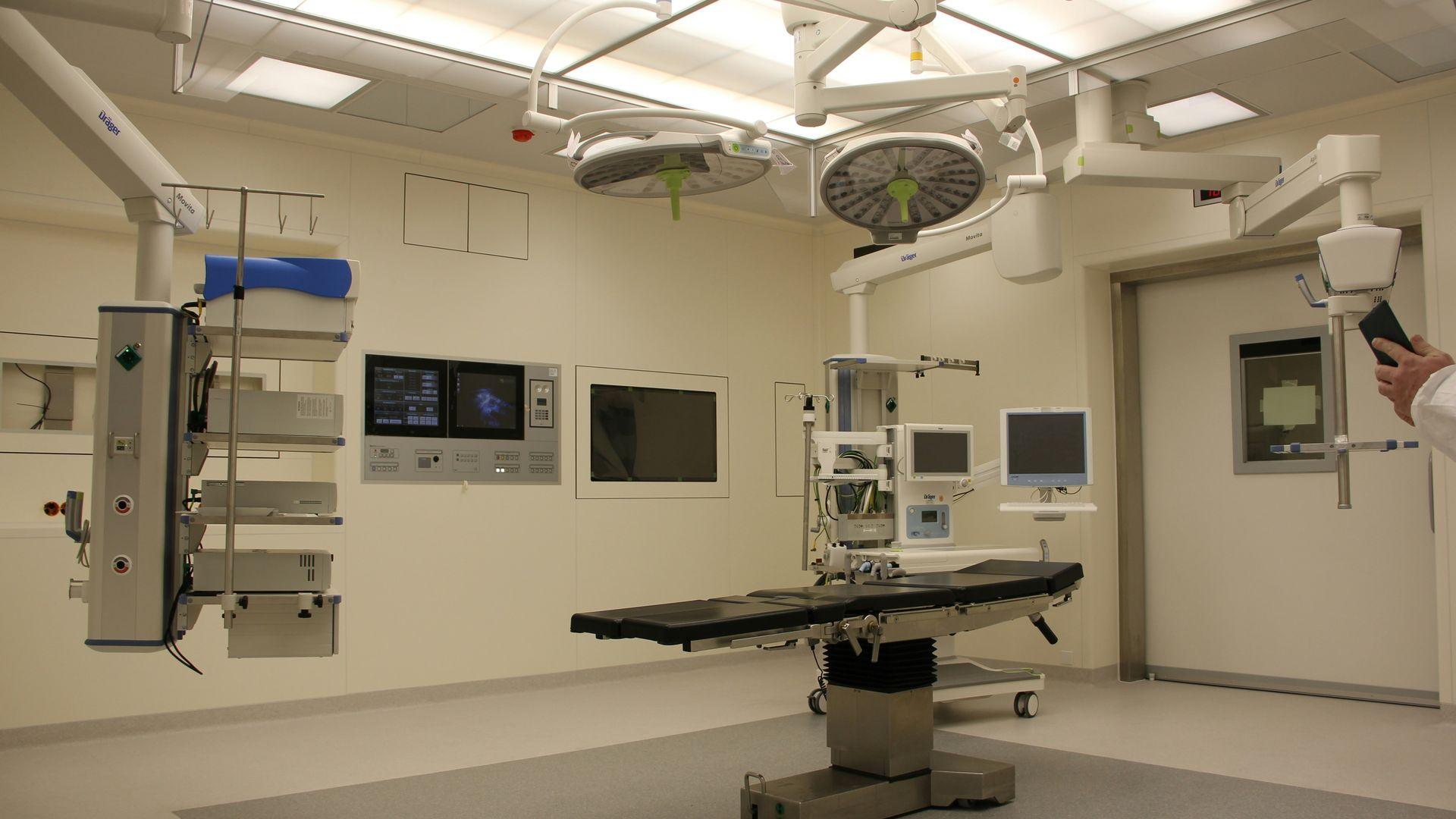
- Robotic surgery in gynaecology
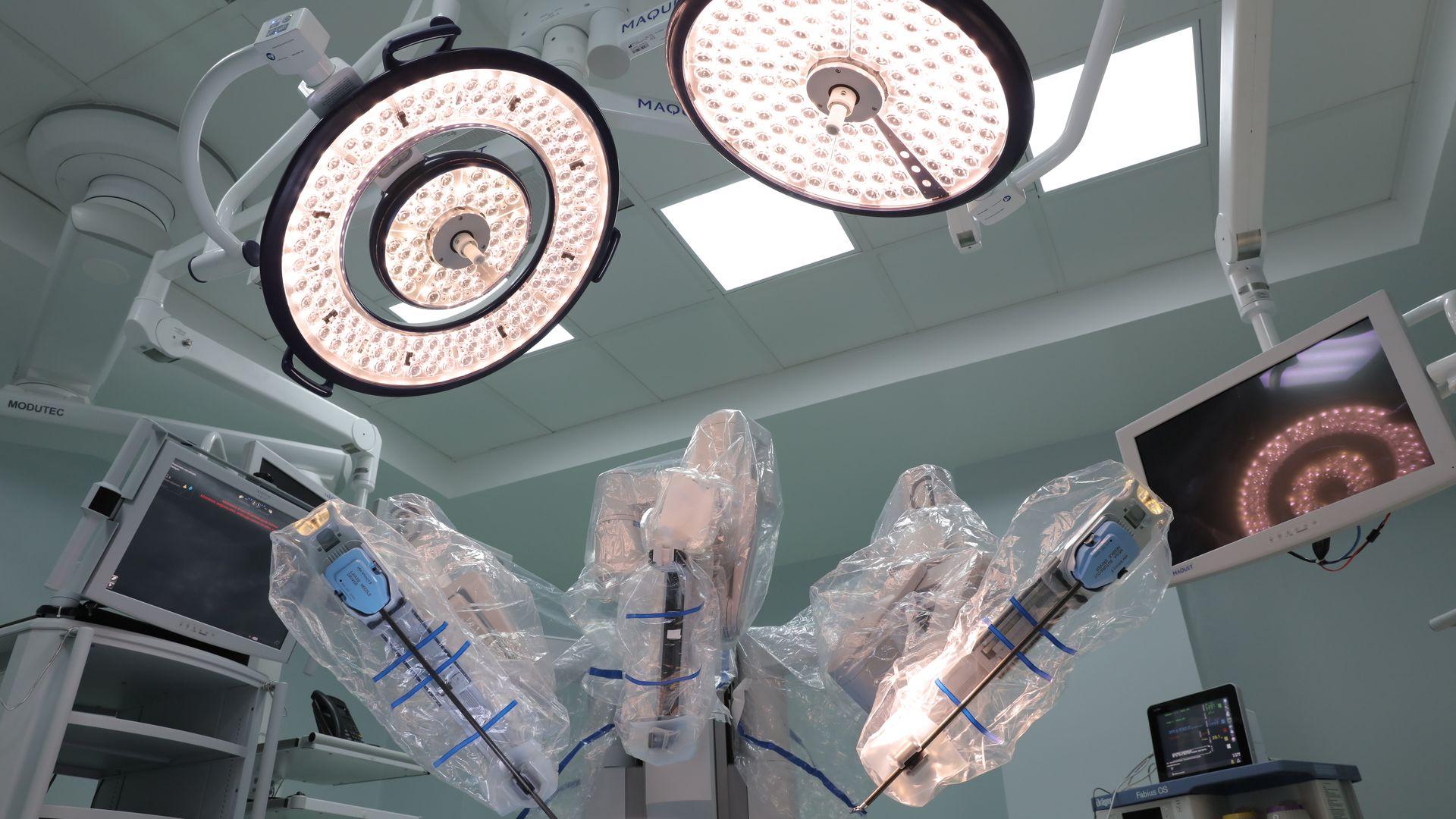
What the robotic system is, which gynaecological operations can be performed robotically, the advantages for you and for the surgeon, and who actually operates.
- Gynaecological examinations
Pap test, thin prep, colposcopy, vaginal culture and biopsy: what each one checks and how we proceed when a cellular lesion or HPV infection is found.
- Laparoscopy in gynaecology
How laparoscopy is performed, its advantages over open surgery, when we use it diagnostically and when operatively, and its contraindications.
- Doctor, what is hysteroscopy?
What hysteroscopy is, when in your cycle we schedule it, which conditions it is indicated for and when it is contraindicated.
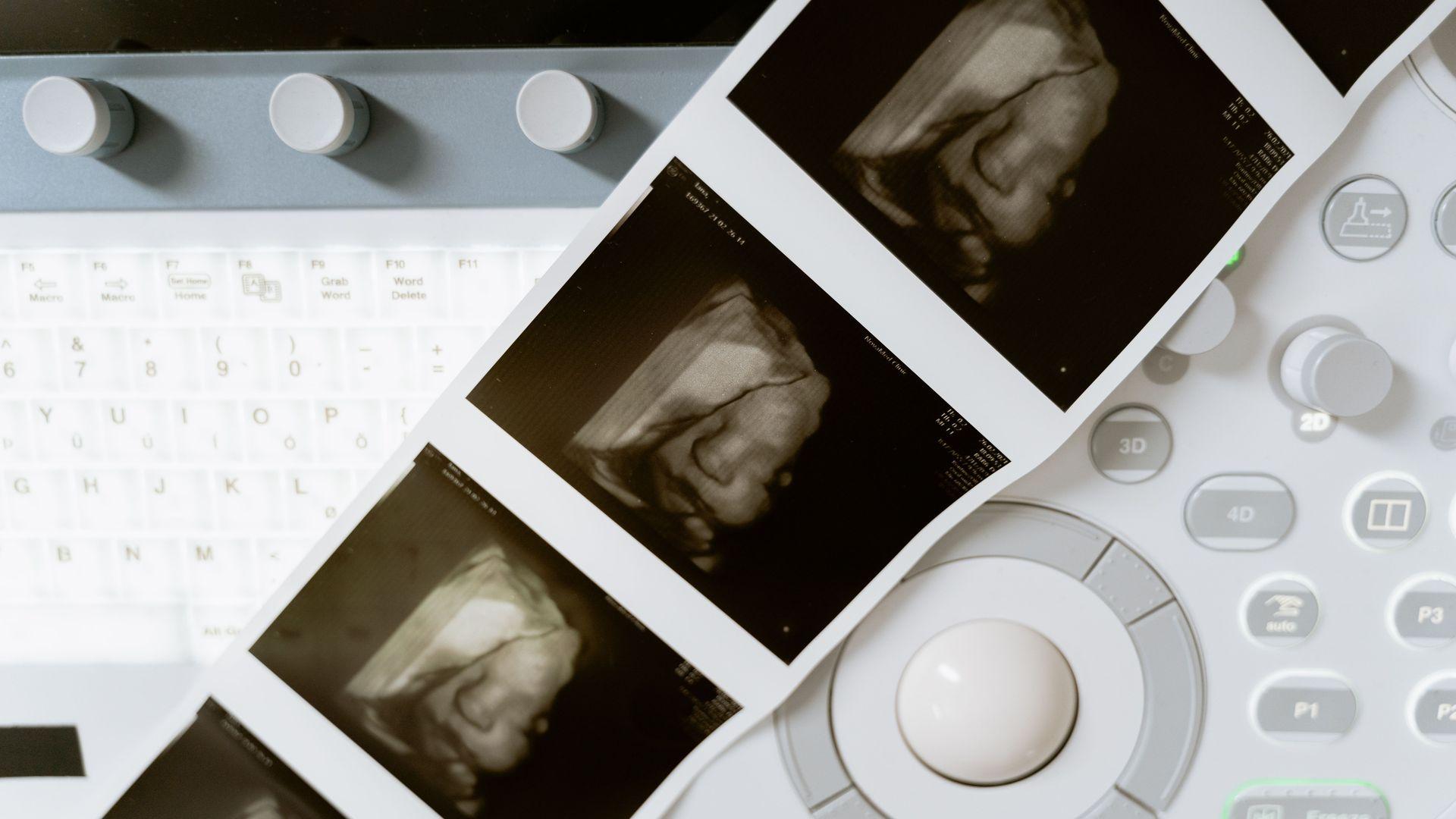
- The contribution of 3D and 4D ultrasound in gynaecology
What three-dimensional ultrasound and 3D power Doppler add to the assessment of the uterus, ovaries and fallopian tubes compared with conventional two-dimensional scanning.





Fertility
- Ovarian rejuvenation therapy with PRP
What autologous ovarian mesotherapy with platelet-rich plasma (PRP) is, how it is performed in two phases, and which women with poor ovarian response or low AMH it is intended for.
- Recurrent pregnancy loss (RPL)
The main causes of recurrent pregnancy loss — genetic, anatomical, endocrine, immunological, inflammatory — and which tests you need so that the cause can be identified and treatment individualised.
- Infertility and the tests that need to be done
Laboratory semen tests according to the WHO: how to collect the sample correctly, what the semen analysis measures (volume, count, motility, morphology) and which optional biochemical and bacteriological tests exist.


General health
- Venous insufficiency and varicose veins
Symptoms, diagnosis by triplex ultrasound and modern painless endoscopic treatments.