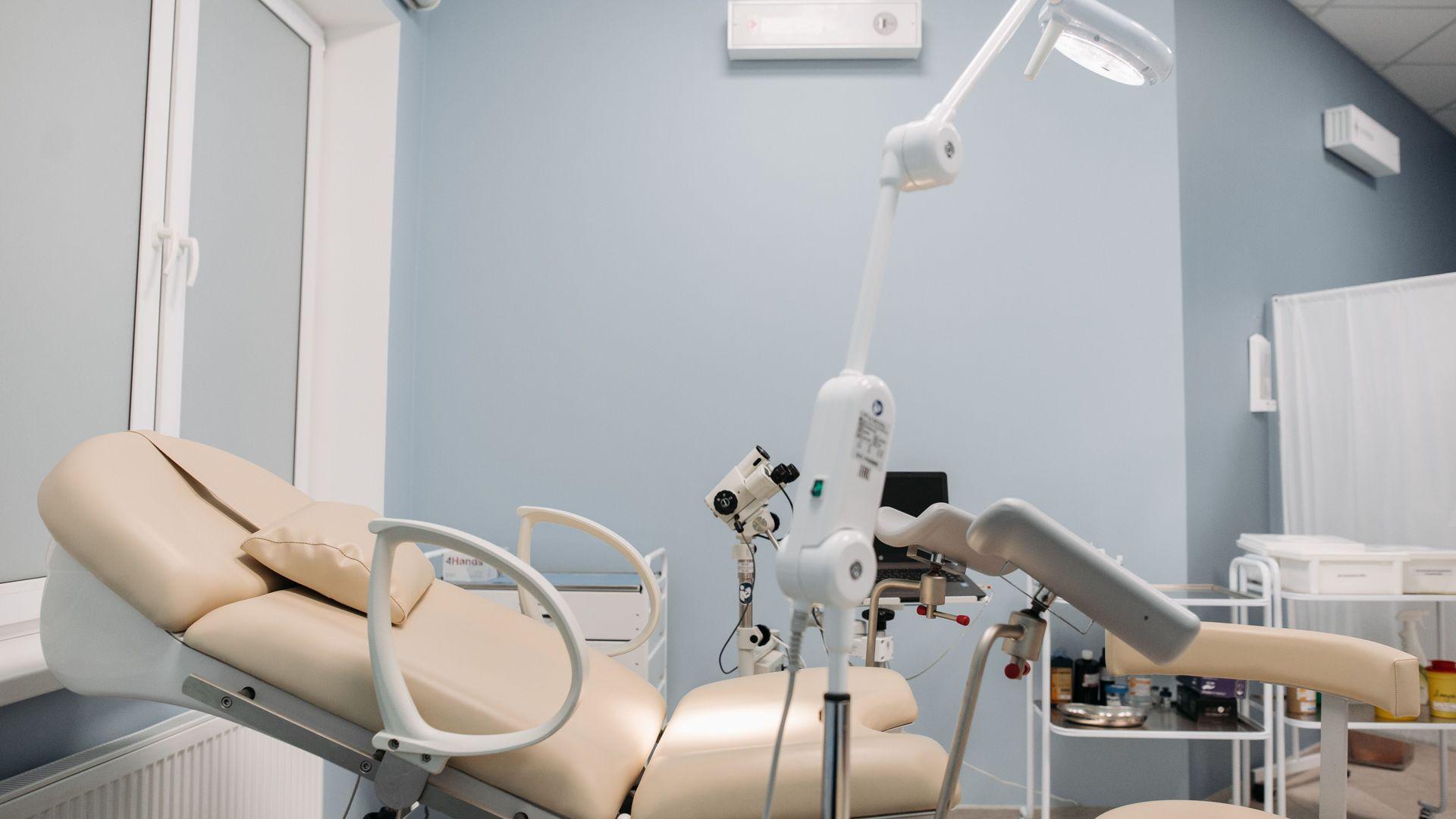
Annual check-up
The female reproductive system is easy to examine. That is why the annual gynaecological check-up is simple, brief and reliable.
What it includes
The annual check-up has four steps. First comes the gynaecological examination and a smear from the cervix and vagina for a Pap test or thin prep. The smear is a sample of cells examined under the microscope.
Next is colposcopy, which means viewing the cervix with a special microscope, and a gynaecological ultrasound of the womb and ovaries, abdominal or transvaginal. The check-up ends with a breast examination.
When it starts and when it is done
We recommend starting the check-up one year after the first sexual contact. If a problem arises in the meantime, such as vaginitis, bleeding outside the period or cycle irregularities, the visit should not wait.
The best time in the month is right after the period ends. The smear and the ultrasound picture are then clearer.
What we look for
With the Pap test and colposcopy we check the cells of the vulva, vagina and cervix. We look for inflammation caused by fungi, trichomonas or bacteria, viral infections such as HPV (genital warts) and herpes, and dysplasia, meaning cell changes that need follow-up.
If inflammation of the cervix, known as cervicitis, is found, we suggest a culture of vaginal fluid and a sample from the cervical canal to identify the organism. A culture does not detect genital warts, however, which is why colposcopy is also needed.
Frequently asked questions
When should I have my first gynaecological check-up?
The best time is one year after the first sexual contact. If you have a symptom, however, such as vaginitis, bleeding or an irregular cycle, do not wait. Contact the practice so we can discuss your case.
Which day of my cycle should I book the visit?
We prefer the check-up to take place right after the period ends. If that is not possible, tell us which phase of your cycle you are in when you contact us.
How long does the check-up take?
The check-up is simple and brief. The Pap test, colposcopy, ultrasound and breast examination are all done in the same visit. We explain each step before we do it.
What does cervicitis mean?
Cervicitis is inflammation of the cervix. It may be caused by bacteria, fungi, chlamydia or trichomonas, or by viruses such as HPV and herpes. To find the cause we do a culture and a colposcopy; discuss the findings at your visit.