…
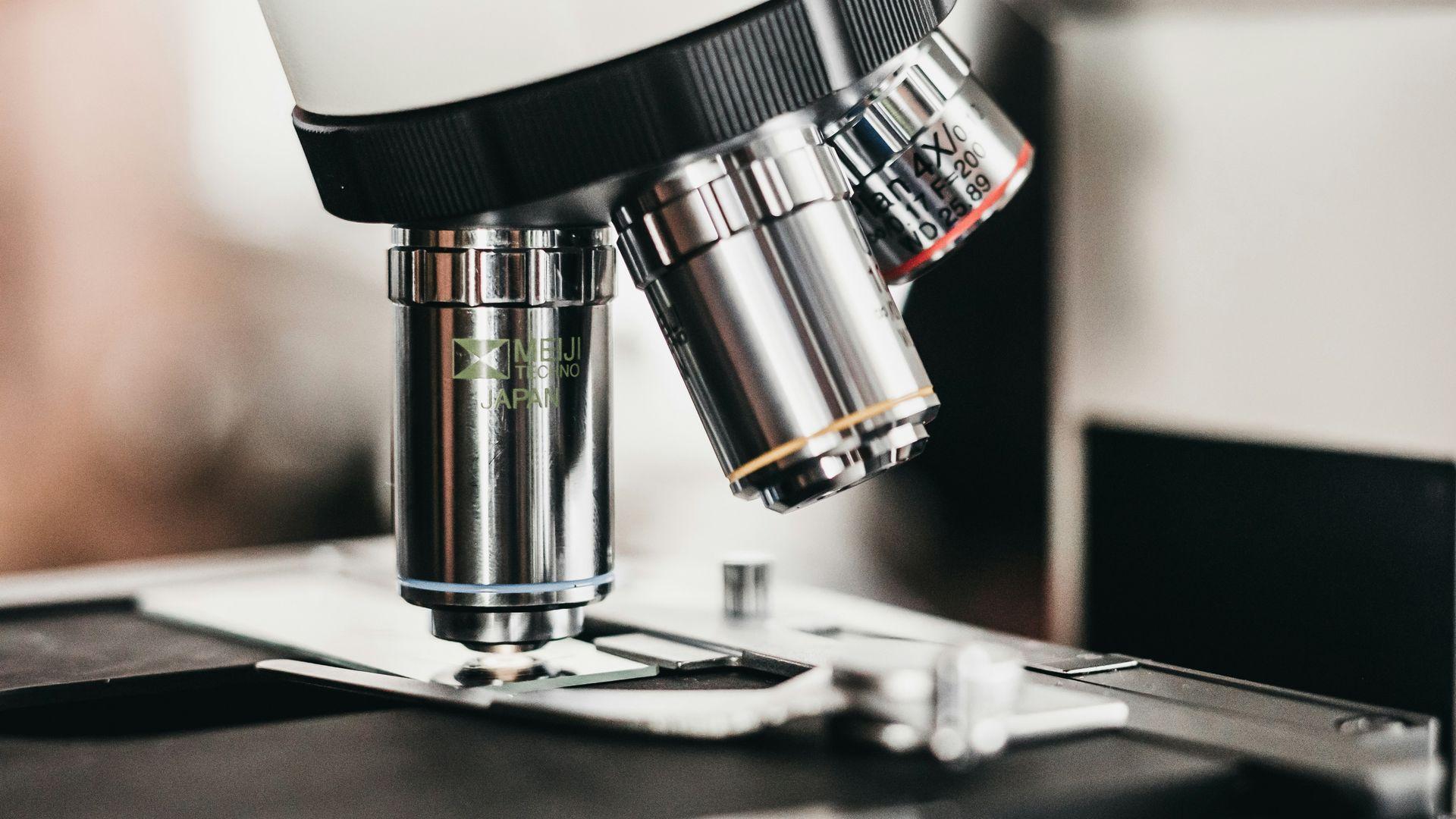
Pap test and colposcopy
The Pap test and colposcopy check the cells of the cervix, vagina and vulva for inflammation and for changes that need follow-up.
What the Pap test is
The Pap test is a cytology test. The gynaecologist collects cells from the cervix and vagina with a smear, and a cytologist examines them under the microscope. Thin prep is a newer version of the same test.
The Pap test detects inflammation of the lower genital tract, such as vaginitis caused by fungi, trichomonas or bacteria, as well as more serious cell changes of the cervix.
What colposcopy is
Colposcopy is a view of the vulva, vagina and cervix through a special microscope, the colposcope. It is done in the same position as the Pap test. Special solutions, acetic acid and lugol, highlight cell changes that are often not visible on a plain gynaecological examination.
Colposcopy is indicated for genital warts, meaning HPV infection, for epithelial dysplasia, for atypia and koilocytosis, for an ASCUS result (cells that cannot be classified with certainty), for unexplained vaginal bleeding, and when the gynaecological examination does not agree with the Pap test result. It requires a specially trained gynaecologist.
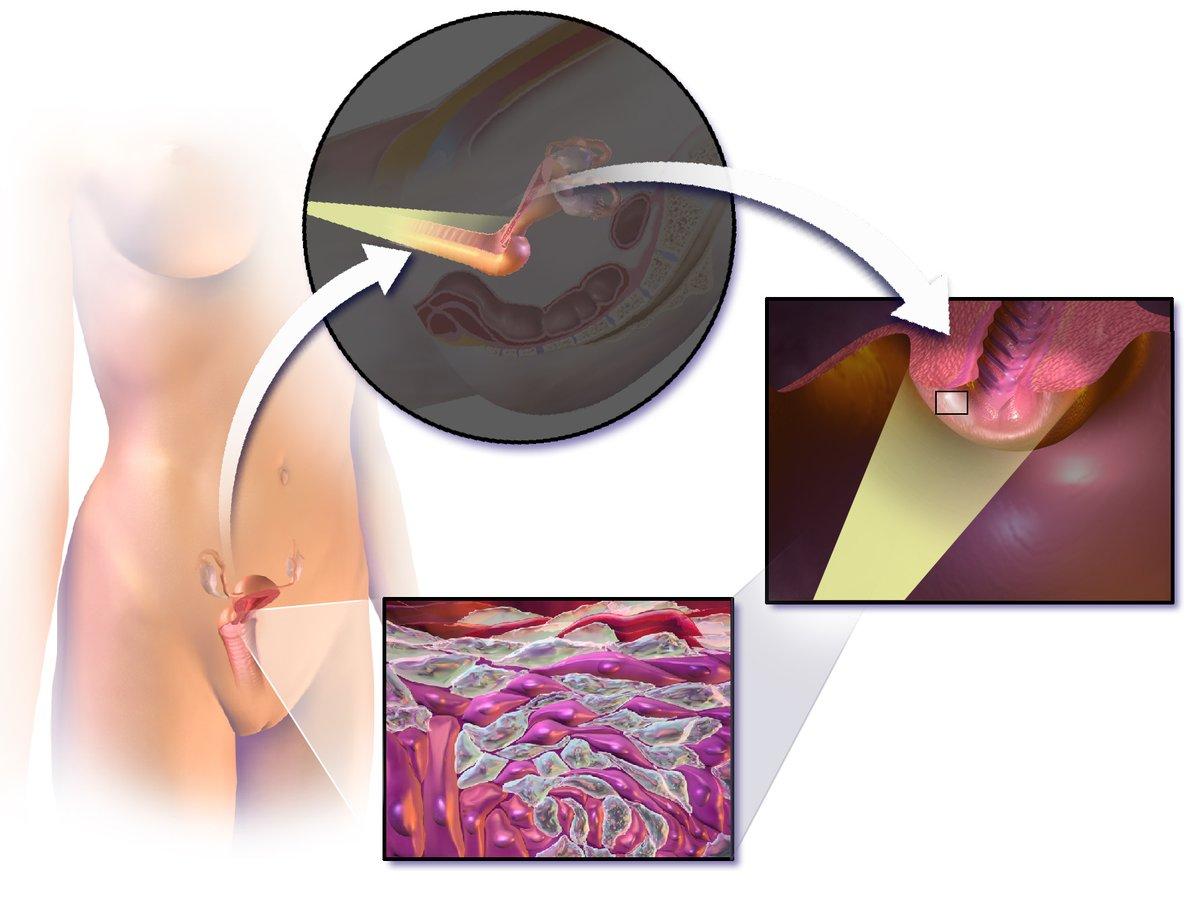
What happens if a lesion is found
If a cell lesion is diagnosed, we investigate it with a biopsy. We remove a small piece of tissue from the lesion, usually without anaesthesia, and send it to a collaborating pathologist for a precise diagnosis.
For extensive wart lesions the virus is typed, meaning we check which HPV type is present and whether types 16, 18, 31, 33 and 45 are active, using the mRNA-HPV test. If needed, we remove the cervical lesion with a loop diathermy (LLETZ) under local anaesthesia, and vaporise warts of the vulva and vagina. More extensive lesions are treated in hospital with LLETZ or laser.
Frequently asked questions
What are HPV viruses?
HPV is a family of about two hundred human papilloma viruses. Around forty of them are considered potentially malignant. If a woman is infected and goes unchecked for years, lesions on the cervix may progress to more serious conditions. Regular screening is the way to catch them early; discuss it at your visit.
Does a vaginal culture show genital warts?
No. A culture detects bacteria, fungi, chlamydia and mycoplasma, not viruses. For genital warts and HPV you need colposcopy and, where indicated, a biopsy or virus typing. If in doubt, ask us at your visit.
Do the Pap test and colposcopy hurt?
Both tests are done in the same position, on the examination chair, as part of the annual check-up. A biopsy, if needed, is usually done without anaesthesia, while removal of a lesion with LLETZ is done under local anaesthesia. Tell us if you feel uncomfortable; we explain each step.
What does ASCUS in my result mean?
ASCUS means that cells were found which cannot be classified with certainty. It is not a diagnosis; it is an indication for further assessment with colposcopy. Bring the result to your visit so we can look at it together.