…

Fertility investigation
“Infertility” means that pregnancy has not come after a year of regular intercourse without contraception. It affects around 15% of couples, and concerns the woman and the man equally.
When we speak of infertility
Infertility is defined as the inability to achieve pregnancy after one year of regular intercourse without contraception. It is a common problem: it affects around 15% of couples. It is not “the woman’s issue”. It concerns both partners, in equal measure.
The causes fall into three groups: the female factor, the male factor and unexplained (idiopathic) infertility. The purpose of the investigation is to show which of the three groups applies to you as a couple. The next steps follow from there.
Causes in the woman and in the man
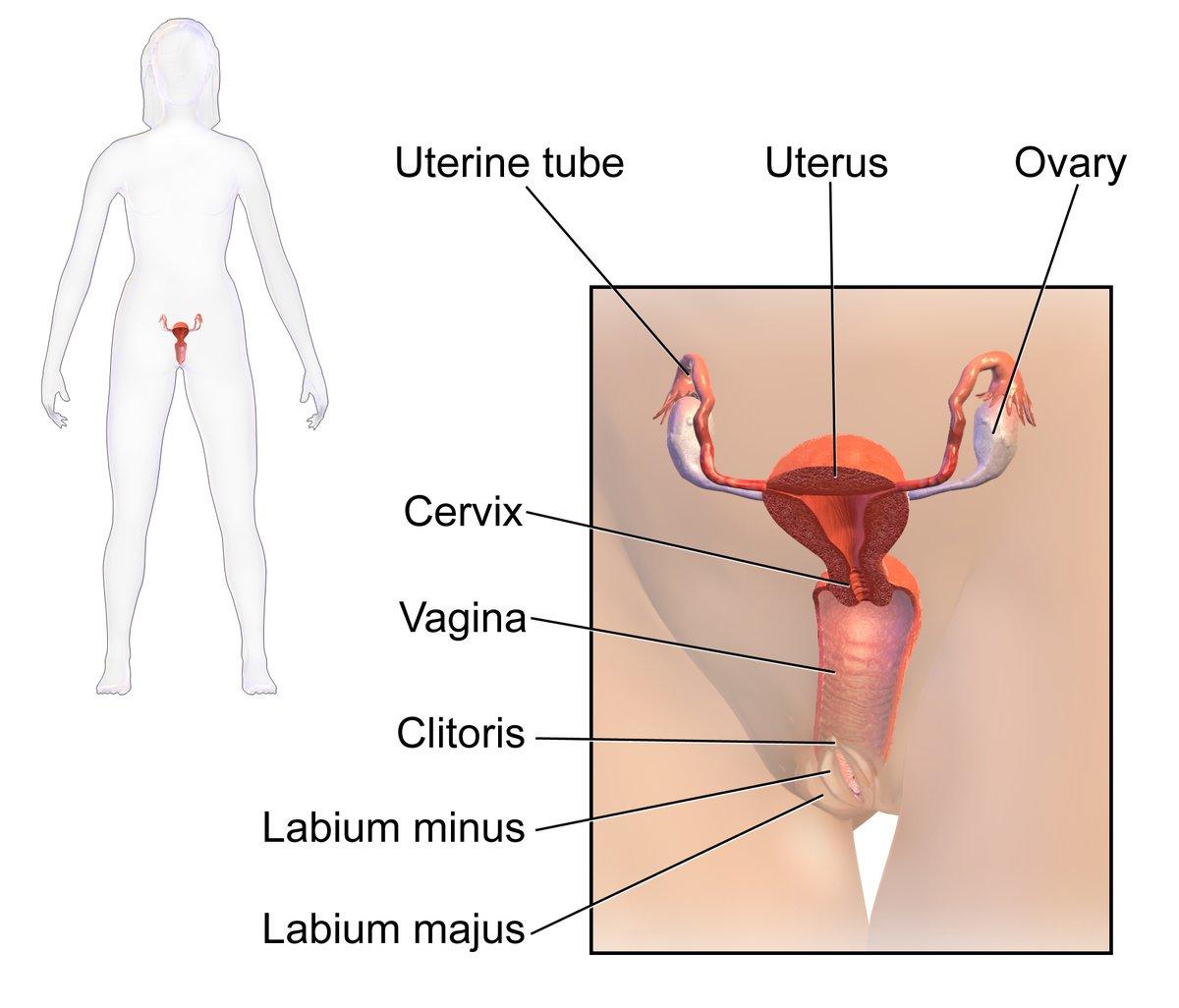
The female factor accounts for roughly a third of cases. The most common causes are hormonal disorders that affect ovulation and egg quality, such as polycystic ovary syndrome, premature menopause and irregular ovulation. Then come blocked fallopian tubes after inflammation, endometriosis, conditions of the womb such as fibroids and a septate uterus, adhesions from earlier operations or pelvic inflammatory disease, and advanced reproductive age. Immunological causes and lifestyle also play a part.
A further third is attributed to the man. Here the problem lies in the semen parameters: a low sperm count, low motility or abnormal morphology. Behind these may lie infections (mumps, prostatitis, epididymitis, orchitis), genetic causes, undescended testes, obstruction of the sperm ducts, ejaculation disorders, hormonal disorders, high temperatures around the scrotum, smoking, alcohol, anabolic steroids, intense stress or long sexual abstinence. The man’s age is not in itself an obstacle.
In 5–10% of couples every parameter is normal and yet conception does not happen. This is what we call unexplained infertility. Often, moreover, there is a problem, to a greater or lesser degree, in both partners.
The first visit
Because the problem concerns both of you, the investigation begins with the couple, not only with the woman. At the first visit we go through your history: how long you have been trying, the menstrual cycle, previous pregnancies or miscarriages, operations, infections, medicines and habits. The history shows which tests are needed and in what order.
The tests for the woman and for the man are described on the page “Tests for the couple”. We would like you to come without fear and without preconceptions. Infertility is a medical condition that is investigated step by step.
The role of lifestyle
The modern way of life contributes to infertility. Smoking reduces the ovaries’ ability to produce healthy eggs and affects semen quality. Excess weight is linked to reduced testosterone in the man and to hormonal disruption that hinders ovulation in the woman. Excessive alcohol and caffeine also affect semen quality and the ability to conceive.
A balanced diet, regular exercise and stopping smoking are simple steps you can begin from day one, alongside the investigation.
The rest of this page is available in Greek. View the Greek page
Frequently asked questions
How long should we try before seeing a doctor?
The definition of infertility refers to one year of regular intercourse without contraception and without pregnancy. If you have completed that year, it is time to investigate. If you are concerned earlier, for example because of your history, raise it at the first visit.
Is it the woman or the man?
Both, in equal measure. Roughly a third of cases are attributed to the woman, a third to the man, and often there is a problem in both. That is why the investigation is always of the couple. Come together to the first visit.
What does “unexplained infertility” mean?
It means that all the tests for both partners are normal and yet conception does not happen. It concerns around 5–10% of couples. Age does not appear to affect the ability to fertilise, but it may be related to the quality of the egg’s chromosomal material. Talk with us about what this means in your case.
Does my partner need to come too?
Yes, if possible. The male factor accounts for a third of cases, and the man’s first test, the semen analysis, is simple. If he cannot come the first time, we start with the history and arrange his test for later.
Does age matter?
The woman’s advanced reproductive age is one of the female factors in infertility. The man’s age is not in itself an obstacle. Mention your ages and how long you have been trying at the first visit, so that the investigation can be planned without delay.